The Importance of Metal Shops: A Comprehensive Summary of Their Influence On Production
Metal foundries are important to the production landscape. They transform basic materials right into elements that serve diverse markets, from auto to aerospace. Their experience in alloy formulation and spreading methods ensures the manufacturing of long lasting parts. The market faces obstacles that can reshape its future. Comprehending these characteristics exposes truth importance of foundries in technological and economic contexts. What lies in advance for this critical sector?
The Role of Steel Foundries in the Manufacturing Process
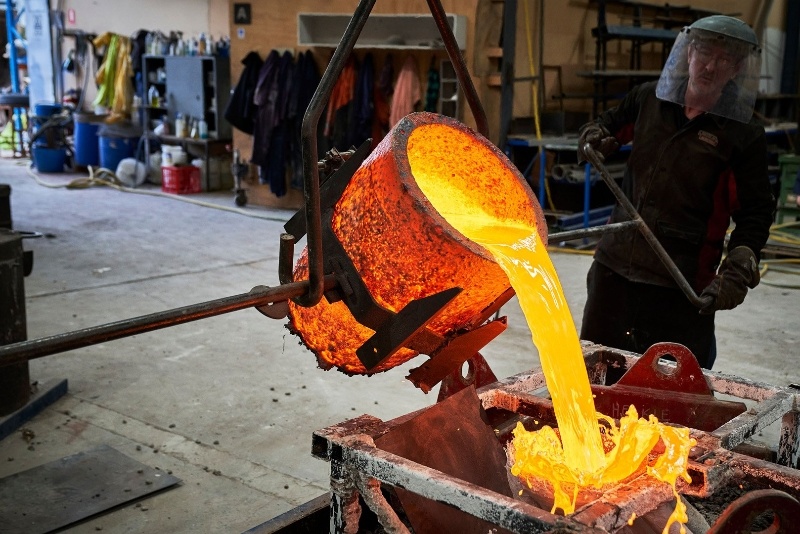
Although frequently forgotten, metal factories play an essential function in the manufacturing procedure by changing raw metals into useful elements. These centers specialize in melting numerous steels, such as iron, light weight aluminum, and bronze, and pouring them right into molds to develop parts for varied markets. The process begins with the careful option of raw materials, making certain that only the greatest top quality steels are used. When thawed, the metal tackles the form of the mold, solidifying into parts that meet details style and performance criteria.
Steel foundries contribute substantially to industries like automotive, aerospace, and building by offering crucial parts such as engine blocks, equipments, and architectural supports. Their knowledge in alloy formulation and spreading strategies allows suppliers to generate complex styles while keeping stamina and durability. Metal factories not just assist in the production of necessary components yet likewise boost the total effectiveness and functionality of modern manufacturing.
Enhancing Manufacturing Efficiency Via Advanced Techniques
Metal foundries are progressively adopting innovative strategies to enhance manufacturing effectiveness and satisfy the growing needs of different sectors. The execution of automation and robotics has streamlined procedures, decreasing hands-on labor and boosting precision in metal casting operations. Furthermore, the assimilation of computer-aided design (CAD) and simulation software allows for much better preparation and optimization of production process, reducing waste and lowering lead times.
Lean manufacturing concepts are additionally being utilized to boost and get rid of inadequacies source usage. Shops are now concentrating on energy-efficient methods, such as using waste heat healing systems, which better add to cost savings and environmental sustainability. By welcoming these innovative strategies, steel foundries are not only improving their functional performance however also boosting product top quality, causing greater client satisfaction. As markets proceed to develop, the capacity of factories to adjust to these developments will be necessary for maintaining competition in the market.
Developments in Steel Spreading Modern Technology
As the demand for accuracy and performance in producing expands, technologies in metal spreading modern technology are transforming the industry landscape. Innovations such as 3D printing and computer-aided layout (CAD) are enabling foundries to generate intricate geometries with higher precision and speed. These strategies lessen product waste and lower lead times, fostering an extra sustainable production procedure.
Smart shop modern technologies, consisting of the Net of Things (IoT), promote real-time surveillance and information analysis, enhancing production performance and reducing downtime. Collectively, these advancements are not only improving the capacities of steel factories but likewise establishing the phase for the future of manufacturing, defined by boosted agility and responsiveness to market demands.
The Economic Effect of Steel Factories on Local and Global Markets
Steel shops play a vital function fit financial landscapes, both locally and worldwide. They produce substantial job production chances and contribute to trade and export, bolstering overall economic growth. Additionally, factories sustain local business ecosystems, cultivating synergistic partnerships that enhance area resilience.
Job Creation Opportunities
Job creation in the steel foundry market considerably affects both worldwide and regional economies. These centers give various work possibilities across different ability degrees, from experienced labor to engineering and administration settings. The demand for metal components in markets such as automotive, aerospace, and building and construction drives the need for a robust workforce. As metal factories broaden, they stimulate additional job development in secondary fields, consisting of transport, logistics, and supply chain administration. In addition, the financial security provided by foundry work adds to local neighborhoods through enhanced costs and investment in infrastructure. Generally, the metal factory sector's capability to develop jobs not just enhances individual source of incomes but additionally boosts local development and resilience, showcasing its vital duty in economic development.
Export and Profession Contributions
A significant portion of the economic effect produced by foundries originates from their contributions to export and trade. Metal foundries play a necessary role in supplying parts for numerous industries, including auto, aerospace, and building, thereby boosting a nation's export capacities. By generating high-grade castings and parts, factories enable neighborhood economies to contend on a worldwide range. The export of these products not only raises earnings but also cultivates worldwide partnerships and profession contracts. Furthermore, factories add to a favorable profession equilibrium, which is vital for financial stability. The export activities of metal factories promote development and investment, ultimately enhancing their importance in both local and international markets, driving development and economic resilience.
Local Organization Support Solutions
While local economic situations frequently gain from the visibility of steel foundries, their impact prolongs beyond mere task development. These centers add significantly to neighborhood service assistance systems by promoting a network of distributors, provider, and secondary sectors. This interconnected ecological community boosts economic durability, permitting smaller sized businesses to grow alongside larger foundries. Furthermore, metal foundries frequently take part in neighborhood efforts, spending in neighborhood facilities and education and learning, which better boosts financial development. On a more comprehensive range, the visibility of foundries can bring in investment and skill, strengthening the region's affordable advantage in global markets. Ultimately, the economic payments of metal factories not only produce direct work however also grow a helpful environment for varied neighborhood ventures.
Obstacles Encountering Steel Foundries in the Modern Age
As the steel shop market evolves, it encounters numerous challenges that endanger its sustainability and competitiveness. One significant problem is the enhancing price of basic materials, which straight impacts manufacturing costs. International supply chain disruptions better exacerbate this trouble, making it hard for foundries to preserve consistent operations. Additionally, labor shortages present a considerable obstacle, as experienced employees end up being scarce in a quickly transforming technological landscape.
Metal shops must compete with strict environmental laws that demand higher compliance expenses and financial investment in cleaner technologies. This change needs shops to adapt swiftly, frequently stressing economic resources.
Last but not least, competitors from automated manufacturing procedures and abroad production adds stress, requiring regional shops to innovate or take the chance of obsolescence. Resolving these difficulties is vital for the sector to grow in a affordable and progressively complex market environment.
Sustainability Practices in Metal Establishing
In action to the challenges dealt with by the industry, steel foundries are increasingly embracing sustainability practices to enhance their functional performance and ecological duty. These methods include the implementation of energy-efficient modern technologies, such as electrical induction furnaces, which minimize energy intake and greenhouse gas emissions. In addition, lots of foundries are concentrating on reusing scrap steel, minimizing waste, and making use of environmentally friendly materials to minimize their ecological impact.
Water preservation actions are additionally being focused on, with systems created to recycle process water, therefore reducing freshwater use. Shops are spending in staff member training programs to promote sustainable methods amongst employees, cultivating a society of environmental awareness.
Future Trends in the Metal Foundry Sector
Arising modern technologies and shifting market needs are positioned to reshape the steel shop industry in the coming years. Increasing automation, driven by developments in robotics and fabricated knowledge, is expected to improve manufacturing performance and lower labor costs. Aluminum Casting. Additionally, additive manufacturing strategies, such as 3D printing, are getting traction, enabling even more facility and personalized steel components with decreased waste
Sustainability will certainly also play a vital role, with shops embracing greener methods to reduce their ecological influence. The market is most likely to see a surge in using recycled products as raw inputs, aligning with worldwide sustainability goals.
In addition, the demand for high-performance and lightweight alloys, specifically in the aerospace and vehicle sectors, is prepared for to boost. This advancement will certainly require continuous financial investment in r & d, making it possible for metal factories to grow and adapt in an affordable landscape. On the whole, these trends are readied to redefine the functional landscape of metal factories.
Regularly Asked Concerns
What Kinds of Metals Are Typically Made Use Of in Foundries?
Typical steels made use of in shops consist of iron, light weight aluminum, copper, and zinc. These materials are favored for their special buildings, making it possible for diverse applications in markets such as automotive, aerospace, and building and construction, contributing substantially to manufacturing procedures.
Exactly How Do Metal Shops Make Sure Product High Quality and Consistency?
Steel shops assure item quality and consistency via strenuous high quality control procedures, including exact temperature level regulation, product testing, and adherence to industry criteria. Regular evaluations and competent workmanship better boost reliability and harmony in manufacturing processes.
What Precaution Are Executed in Metal Shops?
Steel foundries apply precaution such as personal protective tools, ventilation systems, regular safety training, and rigorous adherence to safety and security methods to decrease dangers. These techniques intend to shield workers and preserve a secure functioning atmosphere.
What Are the Career Opportunities in the Metal Foundry Sector?
Career possibilities in the steel foundry market consist of roles such as foundry employees, high quality control assessors, engineers, equipment drivers, and management settings. These functions demand various skills, offering pathways for development and field of expertise within the area.
How Do Shops Take Care Of Waste and Recycling of Products?
Shops take care of waste and reusing via processes like redeeming sand, melting scrap steel, and making use of by-products for energy. These techniques reduce environmental influence while promoting sustainability within the metal casting sector and boosting resource effectiveness.
Usually neglected, steel shops play an essential function in the production procedure by changing Aluminum Casting raw steels into usable elements. Metal factories are significantly adopting advanced techniques to improve manufacturing efficiency and fulfill the growing demands of various markets. Metal factories play a necessary duty in providing parts for numerous sectors, consisting of automotive, aerospace, and construction, thus improving a nation's export abilities. In reaction to the difficulties dealt with by the market, metal foundries are increasingly adopting sustainability techniques to boost their functional efficiency and ecological responsibility. Metal Foundry. Career opportunities in the metal shop sector consist of functions such as factory workers, quality control inspectors, engineers, machine drivers, and monitoring settings